How to Remember DBT Skills in the Moment
By WithMarsha Team. Reviewed July 16, 2026 under WithMarsha editorial standards. Educational DBT skills content only; not therapy, diagnosis, treatment planning, or crisis care.
Quick Answer
To remember DBT skills in the moment, build cues before you need them: a short skill list, situation-specific reminders, repeated practice, and a simple "body, facts, conversation" decision tree.
WithMarsha presents remembering DBT skills in the moment as educational DBT skills practice. It does not diagnose, assess risk, provide therapy, or handle crises; if forgetting skills is tied to crisis risk, dissociation, or repeated dangerous behavior, use human support, emergency services, or a crisis line instead of relying on an article or app.
Key Takeaways
- Skills are easier to recall when practiced in calm moments.
- A small decision tree beats a long skill list during stress.
- Apps and worksheets can reduce friction, but they do not replace coaching or therapy.
Why This Matters in DBT
DBT skills training organizes practice around mindfulness, distress tolerance, emotion regulation, and interpersonal effectiveness. Official Linehan Institute and Guilford materials describe these as rehearsed behaviors; for remembering DBT skills in the moment, that means making skills easier to retrieve when emotion is high and working memory is low.
The useful question is not whether you can analyze the whole pattern perfectly. It is whether cueing, rehearsal, and simplified skill selection can give you one effective next move before the moment hardens into a habit.
Who This Guide Is For
This guide is for people who understand DBT skills in theory but cannot access them when emotions rise. It can also help therapists, coaches, or support people find language for between-session skills practice.
This guide is a practice map, not a treatment plan. When forgetting skills is tied to crisis risk, dissociation, or repeated dangerous behavior, the responsible next step is professional or crisis support; self-guided DBT content cannot replace individualized clinical judgment.
When This Skill Fits
WithMarsha newsletter
Practice DBT between sessions
Get practical DBT exercises, worksheets, and new skills in your inbox
This guide fits when the problem is retrieval: you know STOP, TIPP, or DEAR MAN exists, but the skill disappears when you need it.
Use this as a starting cue: try one cue card, one phrase, and one practiced first step, then review whether it lowered risk or clarified the next step. If it does not fit, switch skills rather than forcing the plan.
How to Practice It
- Choose five anchor skills only.
- Pair each skill with a common situation.
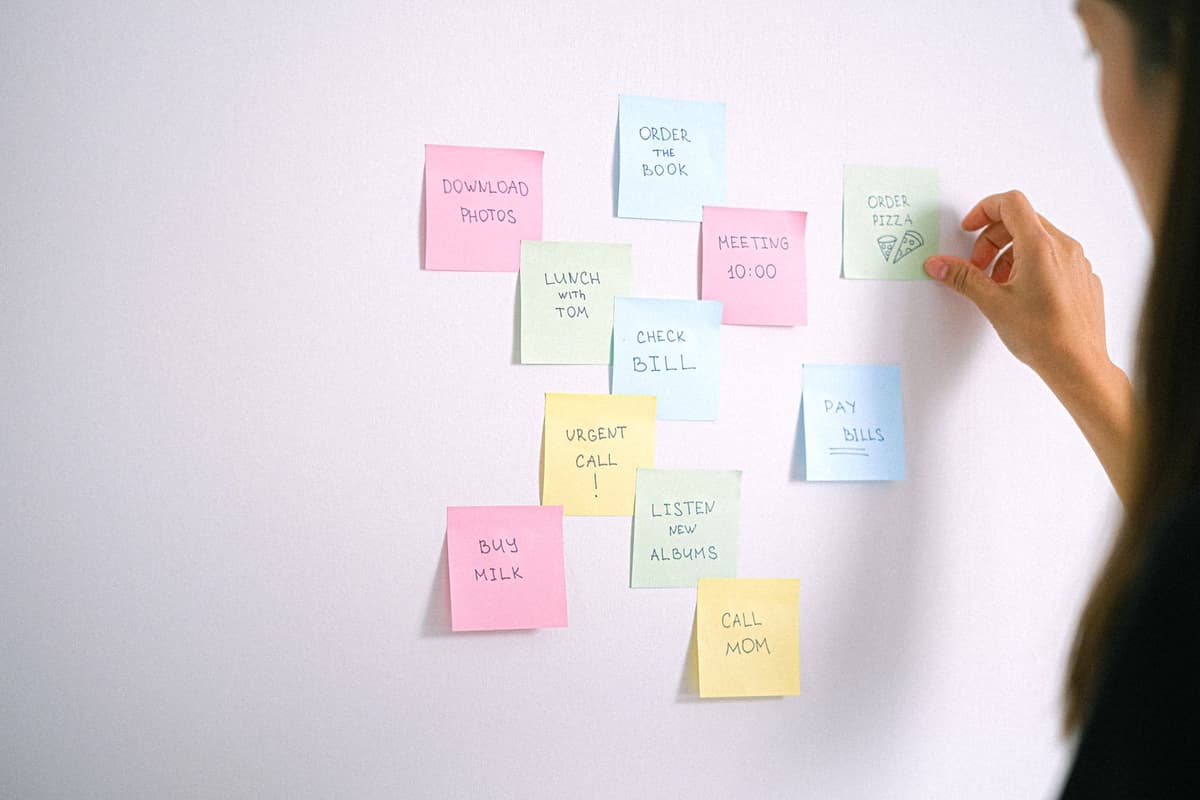
- Put cues where the situation happens: phone, desk, mirror, or notebook.
- Review one moment each night instead of trying to practice every skill.
Keep the first round deliberately small: one cue card, one phrase, and one practiced first step. Short, repeatable practice is more useful than a perfect worksheet you only complete after the moment has passed.
Worked Example
If your recurring moment is angry texting, the cue is not "practice DBT." It is "phone down, STOP, then Check the Facts." That cue lives on the lock screen or in WithMarsha.
The key move is reducing the choice set so the skill can show up under pressure. That keeps the example anchored in observable behavior instead of turning it into a debate about whether the feeling is allowed.
When This Skill May Not Fit
If forgetting skills comes from dissociation, intoxication, severe symptoms, or unsafe patterns, use professional support and a simpler safety plan.
WithMarsha can support rehearsal of cueing, rehearsal, and simplified skill selection and help you remember options between sessions. It cannot decide whether memory gaps or dissociation need clinical assessment, and it should not be used as the only support when safety or treatment decisions are involved.
Practice Prompt
Write your five anchor skills: one pause skill, one body skill, one facts skill, one acceptance skill, and one communication skill.
Keep the answer short enough to reuse later. If you want structure, pair this reflection with the skill card or diary-card worksheet so the skill becomes easier to find next time.
Related Practice
FAQs
Can remembering DBT skills in the moment replace DBT therapy? No. Remembering DBT skills in the moment can support practice, reflection, or homework carryover, but comprehensive DBT includes assessment, treatment planning, coaching, consultation, and professional judgment that an article or app cannot provide.
What if cueing, rehearsal, and simplified skill selection does not help right away? Treat that as information, not failure. Try a smaller version of the skill, review the chain of events, and bring the pattern to a therapist or qualified professional if it keeps repeating or escalating.
Do I need a diagnosis to use remembering DBT skills in the moment? No. DBT skills can be practiced for everyday emotional and relationship situations. Diagnosis, risk assessment, and treatment planning still belong with a qualified professional, especially when forgetting skills is tied to crisis risk, dissociation, or repeated dangerous behavior.
Sources
- Linehan Institute: DBT Skills Training Manual - DBT skills training scope and the four core skill modules.
- Guilford Press: DBT Skills Training Handouts and Worksheets - Client-facing DBT handouts and worksheets across the four skills modules.
- VA South Central MIRECC: Dialectical Behavior Therapy Visual Review - Public DBT overview covering program modes and skills modules.
- JMIR Mental Health: Mobile App Integration Into DBT - Adjunctive mobile app framing for transferring therapy learning into daily life.
- Systematic review of DBT mobile apps for content and usability - Quality, usability, and evidence cautions for DBT-based mobile apps.
Conclusion
Remembering skills is a design problem as much as a motivation problem. Make the next skill visible before stress arrives.
Practice DBT skills with WithMarsha
Keep a structured DBT skills library, guided practice, and daily reflection close when real life gets complicated.


WithMarsha newsletter
Practice DBT between sessions
Get practical DBT exercises, worksheets, and new skills in your inbox